PARTNERS & GOVERNMENTS
PARTNERS & GOVERNMENTS
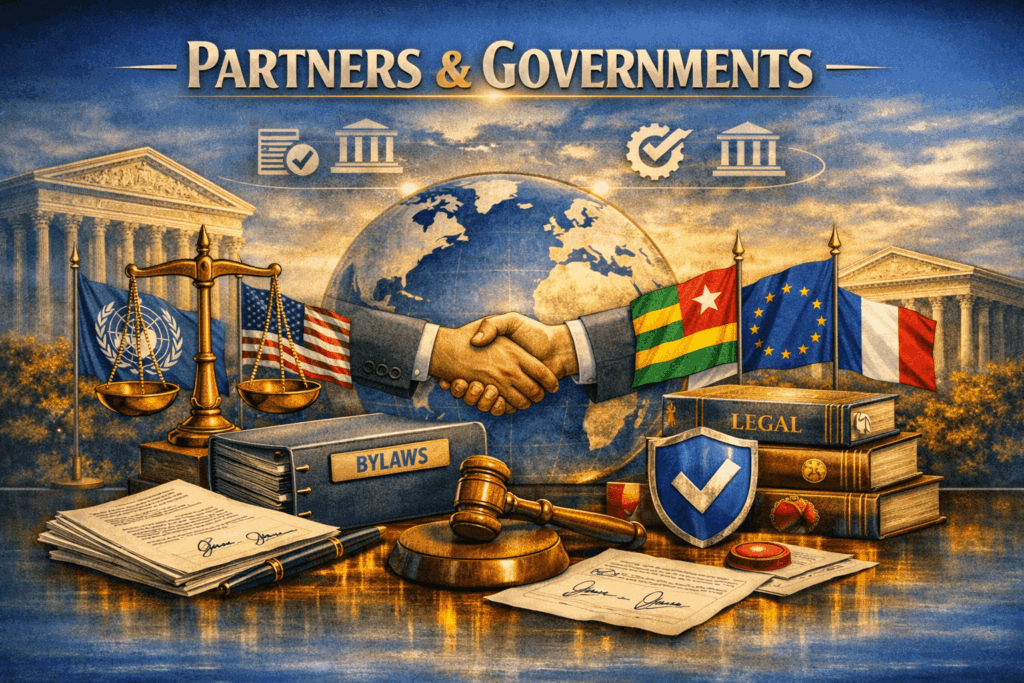
Waterships operates within a broad and structured ecosystem of partnerships involving States, public agencies, international organizations, scientific institutions, and philanthropic or multilateral donors. These partnerships are essential to the Group’s mission: delivering hydric, humanitarian, environmental, and climate‑resilience solutions at scale, with full transparency and institutional coherence.
The Waterships Association serves as the central institutional interface of the network. It represents the Group in its engagements with governments, ministries, public authorities, and international partners, ensuring that all commitments are aligned with the governance, scientific, and operational frameworks established across the Waterships architecture.
compliance and institutional security.
1. Engagement with partner States
Waterships collaborates with partner States to design, implement, and supervise programmes that address hydric vulnerability, climate resilience, ecosystem restoration, and humanitarian needs. These engagements are formalized through:
Framework Agreements (MoUs)
Intergovernmental cooperation protocols
National implementation agreements
Technical annexes defining operational, scientific, and MRV requirements
The Association is responsible for negotiating and signing these agreements, ensuring that all commitments are consistent with the Group’s governance model and the scientific standards defined by Waterships Climate & Forests (WCF).
This approach guarantees:
institutional coherence across countries
alignment with national development strategies
compliance with international climate and humanitarian norms
transparent coordination between national authorities and Waterships entities
2. Coordination with ministries and public agencies
Waterships works closely with ministries responsible for:
water and sanitation
environment and climate
agriculture and forestry
humanitarian affairs
digital transformation and data governance
maritime and port operations
This coordination ensures that programmes are integrated into national systems, supported by public institutions, and aligned with regulatory frameworks.
Waterships provides:
technical expertise
scientific and MRV methodologies
operational capacity
digital traceability tools
reporting and compliance mechanisms
This collaborative model strengthens national ownership and long‑term sustainability.
3. Partnerships with international organizations
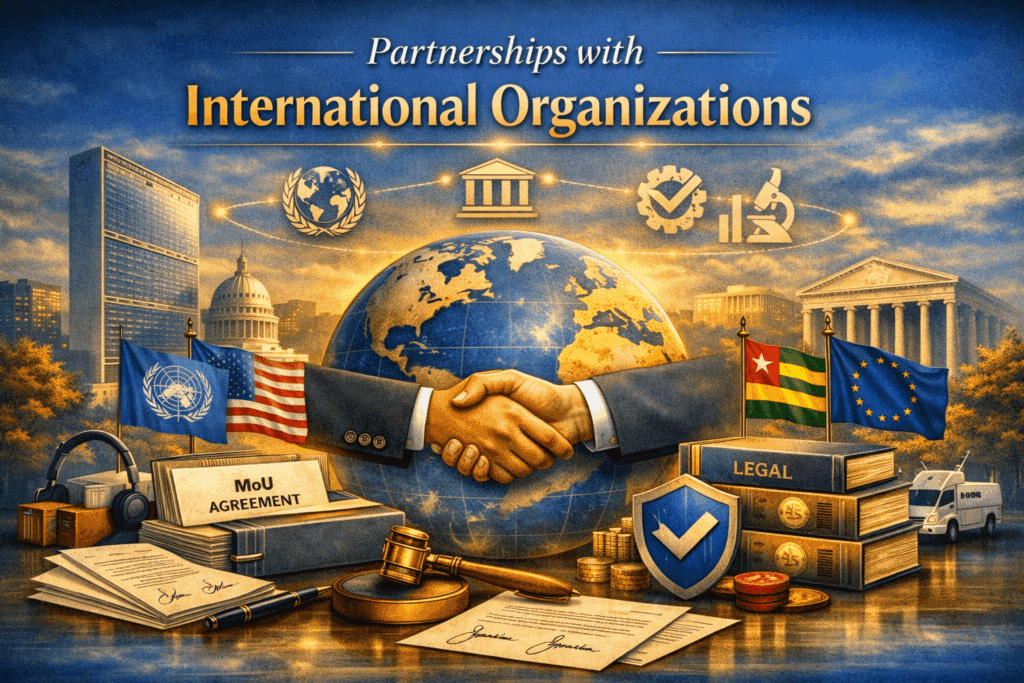
Waterships engages with multilateral and international institutions to ensure alignment with global standards and to support large‑scale climate and humanitarian initiatives.
These include:
UN agencies (UNICEF, FAO, UNFCCC bodies, UNDP)
Multilateral development banks (World Bank, AfDB, ADB, IDB)
Climate‑finance institutions (GCF, GEF, VCM bodies)
International humanitarian organizations
Scientific and certification institutions
Through these partnerships, Waterships contributes to:
climate‑resilience strategies
water‑security programmes
ecosystem‑restoration initiatives
carbon‑market integrity
data transparency and MRV innovation
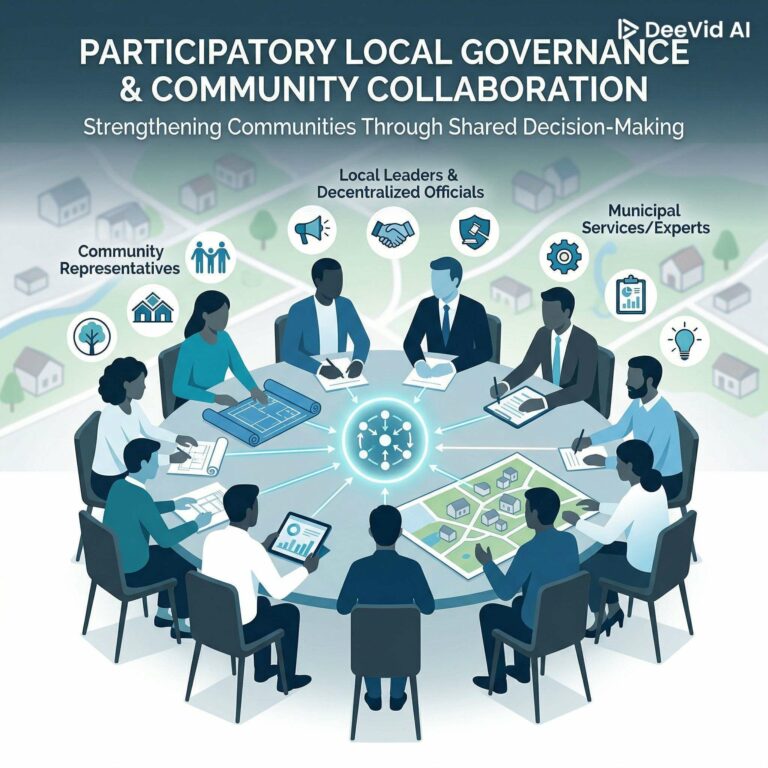
4. Collaboration with local communities and decentralized authorities
Waterships recognizes that sustainable impact requires deep engagement with local communities, traditional authorities, and decentralized governance structures.
National entities (e.g., Waterships Togo SAS) work directly with:
rural communities
local councils
traditional leaders
cooperatives and community‑based organizations
This ensures:
social inclusion
equitable benefit‑sharing
local ownership of reforestation and hydric programmes
culturally appropriate implementation
long‑term stewardship of restored ecosystems

5. Scientific and technical partnerships
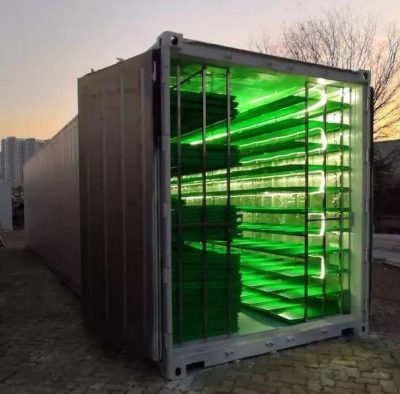
Waterships collaborates with universities, research institutes, and scientific organizations to strengthen:
climate modelling
hydric‑resource management
agroforestry and ecosystem restoration
MRV methodologies
blockchain‑based traceability
SAP gelled‑water research
algae‑based CO₂ capture (AlgaeSphere)
These partnerships reinforce the scientific credibility and innovation capacity of the Group.
6. Legal and institutional oversight by Bracewell LLP
Bracewell LLP plays a central role in ensuring the legal coherence and institutional security of all partnerships.
Its mandate includes:
reviewing and validating MoUs and inter‑entity agreements
ensuring compliance with French, international, and host‑country regulations
harmonizing contractual frameworks across countries
advising on risk management and institutional safeguards
supporting negotiations with States and international partners
This legal oversight ensures that all engagements are robust, compliant, and aligned with the Group’s governance architecture.
7. Principles guiding all partnerships
Waterships’ partnerships are grounded in the following principles:
Transparency — clear reporting, traceability, and accountability
Scientific integrity — adherence to WCF standards and MRV+ requirements
Institutional coherence — alignment across all entities and countries
Nonprofit governance — separation of missions of general interest and operational activities
Local inclusion — community participation and benefit‑sharing
Long‑term sustainability — programmes designed for lasting impact
International compliance — conformity with global norms and certification frameworks
These principles ensure that every partnership contributes to resilient, ethical, and measurable outcomes.
Strategic objectives of the partnership framework
Waterships’ partnership architecture aims to:
strengthen cooperation with States and public institutions
support national climate and hydric‑resilience strategies
mobilize international financing for large‑scale programmes
ensure scientific credibility and MRV integrity
foster community‑driven ecosystem restoration
build long‑term institutional resilience
contribute to global climate‑action goals